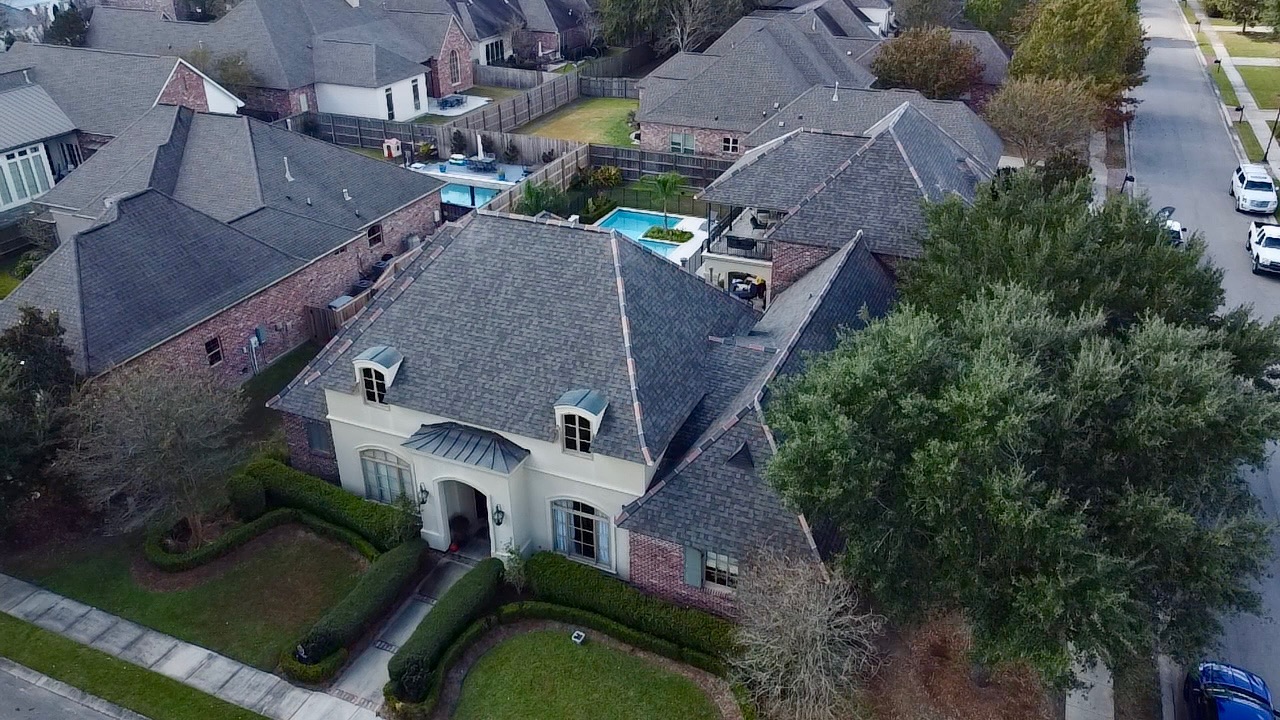
Emergency Roofing in Prairieville, LA: What to Do After Storm Damage
Storms in Prairieville move fast and leave damage that does not wait for convenient timing. Whether it was a line of severe thunderstorms, a hurricane spin-off, or hail the size of quarters, your roof took the hit and now your home is exposed. Knowing exactly what to do in the first few hours after damage occurs will protect your family, your property, and your insurance claim.
First Steps to Take Immediately After Roof Damage
Your first priority is safety, not assessment. Do not climb onto the roof yourself. After a major storm, roofing materials shift, wood becomes saturated and slick, and structural damage may not be visible from street level. What looks stable from the ground often is not.
Once everyone in the home is confirmed safe, do a quick walk-through of the interior. Look for ceiling stains, bulging drywall, or water dripping through light fixtures. Water near electrical systems is a serious hazard. If you see moisture around outlets, panels, or fixtures, shut off power to the affected areas and contact an electrician before anything else.
Then get eyes on the exterior from ground level only. Look for missing shingles, debris on the roof, visible gaps, or displaced flashing around the chimney and vents. This early assessment helps you communicate clearly when you call for emergency roofing in Prairieville, LA.
Call a licensed roofing contractor right away. Do not wait until morning. Legitimate roofing contractors in this area are accustomed to storm season and offer after-hours response. The sooner a professional is on the phone, the sooner a plan is in motion.
How to Safely Protect Your Home Before Help Arrives
While you wait for a roofing crew to arrive, your job is to limit additional damage from inside the home without taking physical risks yourself.
If water is actively entering through the ceiling, place buckets or containers to catch it. Lay down plastic sheeting or heavy towels around the perimeter to prevent spread. Move furniture, electronics, and valuables out of the affected area. Water damage compounds quickly, and anything left in a wet zone will likely need to be replaced.
Do not attempt to tarp the roof yourself, especially at night or in wet conditions. Residential rooftops are steep, the surface becomes treacherous after rain, and a fall from that height is catastrophic. Emergency tarping is work for trained professionals with proper safety equipment.
If a tree or large branch has come through the roof, do not attempt to remove it. The debris may actually be acting as a plug that slows water infiltration. Removing it without the right approach can open the breach wider. Leave it for the crew.
The most useful thing you can do before help arrives is document everything, which the next section covers in full.
What to Photograph and Document for Your Insurance Claim
Your insurance claim depends heavily on documentation. A thorough photo record taken immediately after the storm can be the difference between a full payout and a disputed claim.
Start from the ground. Photograph the overall exterior of the home from each corner, capturing as much of the roofline as possible. If you can safely access a second-story window or an elevated position on the ground, use it for better angles. Do not get on the roof.
Move inside and photograph every area of water intrusion. This includes ceiling stains, wet insulation if visible in the attic, damaged drywall, and any belongings that have been affected. Photograph the attic if it is safely accessible.
Document the date and time using your phone's metadata, or hold up that day's newspaper in a frame if you want a visible timestamp. Write a brief written account of when the storm hit, what you heard, and what you found. This narrative supports the photos and helps your adjuster build the timeline.
Save all receipts related to emergency protective measures you take, including any materials you purchase to protect the interior. These costs are often reimbursable under your policy.
Contact your insurance provider to open the claim before the roofing crew arrives if possible. Many policies require prompt reporting, and delays can give adjusters grounds to challenge the scope of damage. When you work with a reputable contractor handling emergency roofing Prairieville LA storm damage situations, they can often help coordinate directly with your adjuster and explain what the documentation needs to show.
Why Emergency Tarping Matters and How It Works
Emergency tarping is the first physical line of defense after storm damage opens your roof to the elements. It buys time. In South Louisiana, where a clear afternoon can turn into a second round of heavy rain within hours, that time matters enormously.
A properly installed tarp covers the damaged area with heavy-duty polyethylene sheeting, secured with fasteners or weighted boards at the edges. The goal is to create a water-resistant barrier that prevents additional rain from entering the home while permanent repairs are scheduled and materials are sourced. Done correctly, a tarp installation can prevent thousands of dollars in additional interior damage.
What most homeowners do not realize is that tarping must be done right to be effective. A loose or improperly secured tarp can channel water into new areas of the roof, or tear away in the next wind event and leave the home fully exposed again. Professional crews install tarps with enough overlap at the ridge and sufficient perimeter fastening to handle typical South Louisiana weather.
For anyone dealing with emergency roofing Prairieville LA storm damage, getting a professional tarp installed within the first 24 hours should be the immediate goal. Roofing Prairieville LA homeowners face a compressed window between storms, and Advanced Exteriors responds quickly to damage calls across Prairieville and the surrounding Ascension Parish area. The crew understands local weather patterns and knows how to secure a property fast.
The cost of professional tarping is generally modest compared to the interior damage it prevents. Many homeowners find the expense is covered or reimbursable under their homeowner's insurance policy, particularly when documented as a protective measure against further loss.
Frequently Asked Questions
How quickly should I call a roofer after storm damage?
Call as soon as everyone in your household is confirmed safe, ideally within the first hour or two after the storm passes. The sooner a contractor can assess the damage, the sooner protective measures like tarping can be put in place. Delays allow water to penetrate deeper into the structure and increase the total cost of the repair.
Can I stay in my home after roof damage?
It depends on the extent of the damage. If the breach is small and limited to one area, and there is no water near electrical systems, it is often possible to remain in the home while monitoring the situation. If there is significant structural compromise, active water intrusion near wiring, or any indication that the roof deck has been weakened, it is safer to make other arrangements until a professional has assessed the structure.
Will my homeowner's insurance cover emergency roofing repairs?
Most standard homeowner's insurance policies cover sudden and accidental damage caused by wind, hail, and falling debris. The key word is sudden. Damage attributed to long-term wear and deferred maintenance is typically not covered. Document everything promptly and report the claim to your insurer as soon as possible. A roofing contractor experienced with roofing Prairieville LA storm claims can help you understand what to expect from the process and what documentation your adjuster will need.
What is the difference between emergency tarping and a permanent repair?
Emergency tarping is a temporary protective measure. It seals the damaged area against further water infiltration while a full repair or replacement is planned and scheduled. Permanent repairs address the structural damage, restore or replace the roofing system, and bring the roof back to its pre-damage condition. Think of tarping as stopping the bleeding before the actual repair work begins.
How do I know if a roofing contractor is legitimate after a storm?
After any major weather event, contractors who are not locally established travel into affected areas looking for quick work. Look for a contractor with a verifiable local address, a valid Louisiana contractor's license, and a track record in the Prairieville area. Ask for proof of insurance, a written estimate, and references from past customers. Avoid anyone who asks for full payment upfront or pressures you to sign a contract on the spot without time to review it.
---
Ready to get your roof assessed by a team that knows Prairieville? Visit advancedexteriorsla.com/contact to request an emergency inspection or schedule a free damage assessment. Advanced Exteriors, LLC serves Prairieville and the greater Ascension Parish area. For emergency roofing in Prairieville, LA, the right call is the one you make now.
Need a Professional Roof Assessment?
Schedule your free 27-point roof inspection with Advanced Exteriors. No obligation • Free inspection • Licensed & Insured