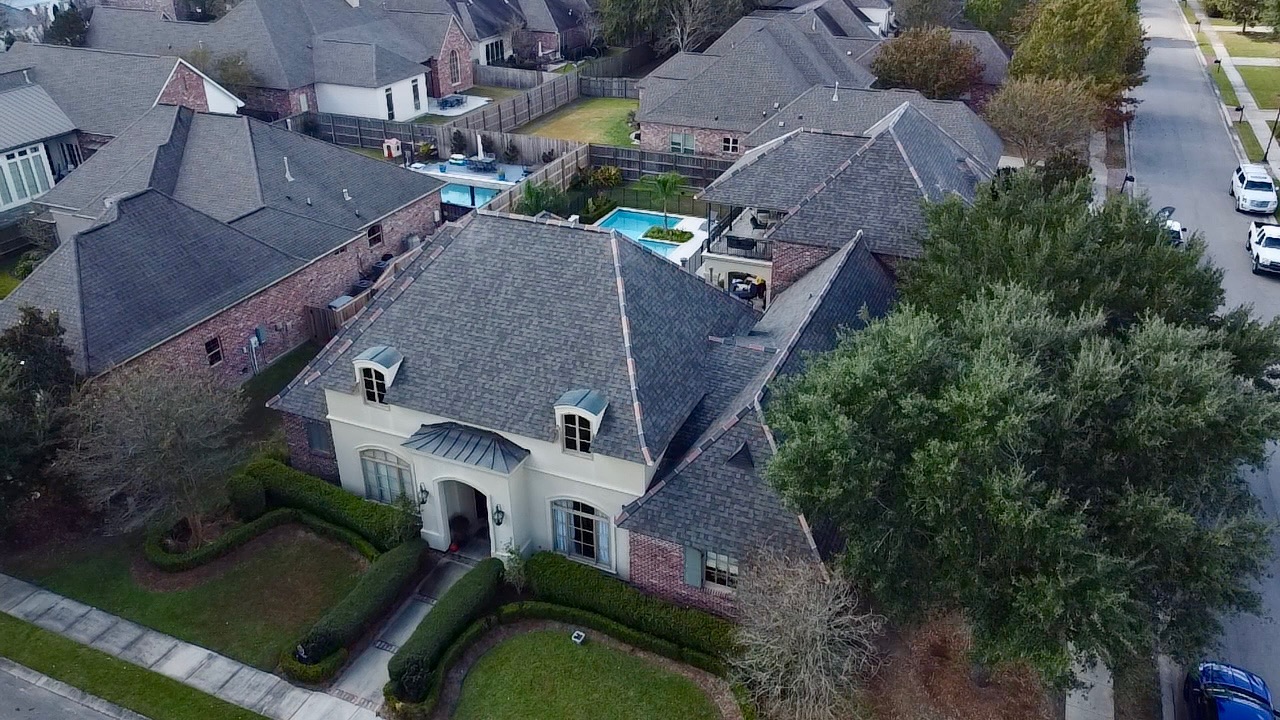
Roof Inspection Checklist for Prairieville, LA Homeowners
Prairieville homeowners deal with some of the toughest roofing conditions in the country. Between the summer heat, Gulf humidity, and a storm season that does not take breaks, your roof absorbs a serious amount of punishment year after year. Knowing what to look for and when to look can save you thousands in repairs before a small problem becomes a structural one.
How Often Should Prairieville Homeowners Inspect Their Roof?
For most homes in Ascension Parish, twice a year is the standard. Once in the spring before hurricane season, and once in the fall after storm season winds down. That schedule gives you a clear picture of what your roof looks like going in and coming out of the most demanding stretch of weather we get down here.
Outside of that routine, you should also inspect within 48 hours of any significant storm event. High winds, hail, and heavy rain can cause damage that is not visible from the ground. Waiting until you see a water stain on your ceiling means the leak has likely been spreading inside your walls or attic for weeks.
If your home is older than 15 years, or if your roof has not been professionally evaluated in the last three years, it is time to schedule a formal inspection. A complete roof inspection checklist for Prairieville, LA homes covers both exterior and interior components, which most homeowners skip when doing their own walk-arounds. Catching problems at the surface level is useful. Catching them before they reach the surface is better.
Exterior Checklist: Shingles, Flashing, Gutters, and Ridgeline
Start from the ground with binoculars if you have them. You do not need to get on your roof to get a useful read on most exterior problem areas.
Shingles
- Missing shingles: Any gap in coverage is a direct path for water entry.
- Curling or cupping edges: This typically points to age, poor ventilation, or both.
- Granule loss: Check your gutters after rain for heavy granule buildup. Granule loss speeds up shingle deterioration significantly.
- Cracking or blistering: Common in south Louisiana because of sun exposure and extreme thermal cycling.
- Dark streaking or staining: Often signals algae growth, which shortens shingle life if left unaddressed.
Flashing is the metal that seals roof penetrations, including chimneys, plumbing vents, skylights, and valleys where two roof planes meet. It is one of the most common failure points on any residential roof.
- Look for visible rust, buckling, or separation from the surface it is sealing.
- Pay close attention to step flashing along exterior walls and dormers.
- Chimney flashing should sit flush against both the masonry and the roof deck with no visible gaps.
Gutters are part of your roofing system. Clogged or sagging gutters cause water to back up under the drip edge, which leads to fascia rot and potential deck damage that spreads quickly in our climate.
- Check that gutters are firmly attached and directing water away from your foundation.
- Look for rust, holes, or standing water after rain.
- Downspouts should extend at least four feet from the structure.
Stand back from the street and sight along the ridgeline from one end to the other. It should be straight. Any sagging or bowing along the peak indicates possible structural issues underneath, not just a surface repair.
Interior Checklist: Attic Signs of Leaks, Mold, and Poor Ventilation
Your attic is one of the best early-warning systems you have. Get in there with a good flashlight and check these areas carefully.
Signs of water intrusion
- Dark staining on rafters or roof sheathing (the plywood that sits directly under the shingles)
- Soft or spongy spots in the sheathing when you press on it
- Water stains, rust-colored streaks, or mineral deposits on the attic floor or insulation
Mold in the attic is a persistent problem in Louisiana and is almost always tied to moisture. It may be entering through a roof defect, or it may be the result of trapped humid air from poor ventilation. Either way, it needs to be addressed before it spreads.
- Check along the eaves and near any roof penetrations for discoloration or fuzzy growth.
- A musty smell when you open the attic hatch is a reliable signal that something is off and worth a closer look.
Poor attic ventilation shortens shingle life, drives up energy costs, and creates the moisture conditions that lead to mold. Check that soffit vents are not blocked by insulation and that ridge vents are present and clear of debris.
- Air should flow freely from the soffits up to the ridge.
- If your attic feels noticeably hotter than expected in the evening, or if insulation is pressed against the eave baffles, ventilation is likely compromised.
After a Storm: What to Check Within 48 Hours
Storm damage in Prairieville is not always dramatic. Sometimes the worst damage is the kind you almost miss. Get in the habit of running through this list within two days of any significant weather event.
Exterior
- Walk the perimeter and look for shingles on the ground or in the yard.
- Check the roof surface for lifted or displaced shingles, especially along rakes and eaves where wind gets underneath.
- Look at flashing around penetrations for displacement or separation from the surrounding surface.
- Inspect where siding meets the roofline for any new gaps.
- Check every ceiling in the home, including closets, laundry rooms, and utility areas, for new stains or damp spots.
- Get into the attic with a flashlight and look for daylight showing through the sheathing.
- Pay attention to any new musty odor in the days following a storm, even if nothing is visibly wet.
If you find damage, photograph it before doing any cleanup or temporary repairs. Most insurance claims require documentation of the original condition. Note the date of the storm and the date you discovered the damage. If you are not sure whether you are looking at new storm damage or pre-existing wear, call a licensed roofer before you contact your insurance company. A qualified contractor can walk you through exactly what is in front of you.
When a DIY Inspection Is Not Enough and You Need a Pro
A homeowner doing a careful walk-around and checking the attic can catch obvious problems. But there is a real ceiling on what a non-professional can identify, particularly when it comes to early-stage damage at the flashing, underlayment, or structural level.
A licensed roofer has the training to spot issues that are not visible without getting on the roof and knowing precisely what to look for. They also carry the liability insurance that matters when someone is walking on your home.
For roofing in Prairieville, LA, call a professional when:
- Your roof is over 15 years old and has never had a formal inspection
- You have experienced any leak at all, even one that seemed to resolve on its own
- You are buying or selling a home and need an independent assessment
- A significant storm has passed through and you need documentation for an insurance claim
- You found warning signs in this checklist but cannot identify the source
Frequently Asked Questions
How much does a roof inspection cost in Prairieville, LA?
Many reputable contractors offering roofing Prairieville LA homeowners rely on provide free inspections, especially after storm events. When there is a fee, it typically falls between $150 and $350 depending on the size and complexity of the home. Advanced Exteriors offers free roof inspections throughout Prairieville and the surrounding Ascension Parish area.
How long does a roof last in Louisiana?
In south Louisiana, asphalt shingles typically last between 15 and 25 years depending on material quality, installation, and ventilation. Metal roofing can last 40 years or more with proper maintenance. The heat, humidity, and storm exposure specific to this region tend to shorten lifespans compared to cooler, drier climates.
What is the most common roofing problem in Prairieville?
Flashing failures and granule loss from prolonged heat exposure are the two issues we see most often in roofing Prairieville LA. Poor attic ventilation is a close third and is frequently the underlying cause of premature shingle aging across the board.
Can I use a roof inspection checklist for Prairieville, LA on my own?
Yes, and you should. The items in this guide give you a solid starting point and can help you catch problems early. That said, a homeowner visual is not a substitute for a professional inspection when it comes to flashing, structural components, or damage documentation for insurance purposes. Use the checklist as a screening tool, not a final assessment.
When is the best time to schedule a roof replacement in Louisiana?
Late fall through early spring is generally the most practical window. Cooler temperatures are easier on both the materials and the crew, and the timing keeps you ahead of hurricane season. That said, storm damage can require urgent work at any point in the year. If your roof needs replacement, waiting for ideal conditions is not worth the risk of ongoing interior damage.
Ready to Schedule Your Inspection?
If anything in this checklist raised a concern, get it looked at before it becomes a larger problem. Advanced Exteriors, LLC serves homeowners throughout Prairieville and Ascension Parish with straightforward, professional roofing work backed by real local experience. Schedule your free inspection or request a quote at advancedexteriorsla.com/contact.
Need a Professional Roof Assessment?
Schedule your free 27-point roof inspection with Advanced Exteriors. No obligation • Free inspection • Licensed & Insured