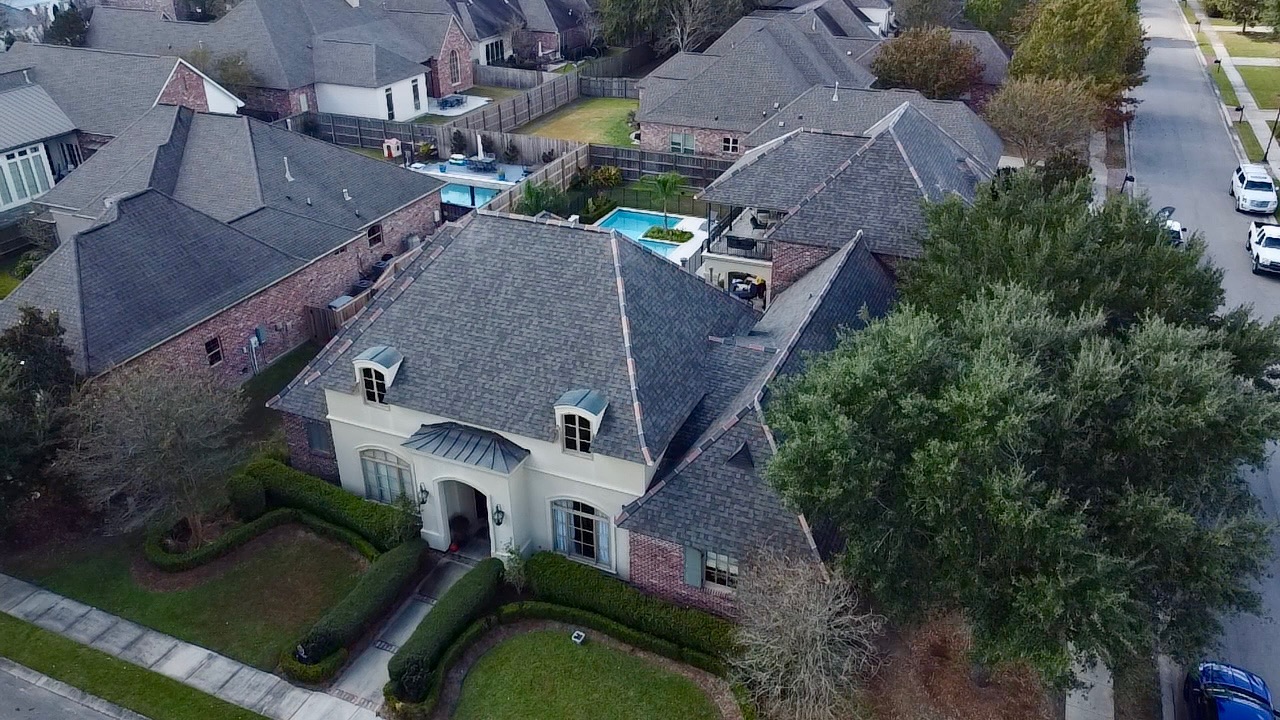
Roof Replacement Scope of Work: How to Control Tear-Off Changes in Louisiana
A useful roof replacement scope of work does two jobs before the first shingle comes off: it defines what the base price includes, and it explains how conditions that can only be seen after tear-off will become documented, priced, and authorized changes. If either part is vague, two proposals with similar totals may represent very different commitments.
For Prairieville and Baton Rouge homeowners, the goal is not to predict every hidden condition. It is to agree on a fair process while the roof is still closed. The proposal should separate included work, exclusions, optional choices, allowances, and concealed conditions so everyone knows what is settled and what still requires a decision.
Start with four different kinds of scope language
Read each proposal and label every line one of four ways:
- Base scope: Work and materials included in the stated price, subject to the proposal's exact terms.
- Exclusion: Work the proposal specifically does not include.
- Option or allowance: A choice or placeholder that still needs a final selection, quantity, or price adjustment.
- Concealed condition: A condition that cannot be confirmed until existing materials are removed or the area is otherwise exposed.
The original scope should also classify adjacent work without turning the proposal into a roofing textbook. It should say whether underlayment or secondary water protection is included or optional, how flashing transitions are treated, whether any attic or ventilation work is part of the base project, what cleanup is included, and which exact warranty documents apply. The important point is the item's decision status: included, excluded, optional, or unresolved.
Set the tear-off discovery process before the roof is open
Some roof conditions are genuinely hidden. The existing covering can limit what anyone can confirm about sheathing, attachment, and visible supporting members. FEMA's Wind Retrofit Guide for Residential Buildings identifies roof-cover replacement as a practical time to inspect the exposed deck and framing, repair damaged or deteriorated areas, and evaluate deck attachment for the applicable design conditions.
That does not mean a proposal should assume damage. It means the proposal should define the discovery path. Before work begins, it should answer:
1. Who examines the exposed area and decides that it needs further attention? 2. What evidence will be recorded—such as a photo, location, measurement, and reason? 3. Which condition is already covered by the base scope, and which would be additional work? 4. How will the additional amount be calculated? 5. Who has authority to approve the change? 6. Does affected work pause until approval, and how will urgent weather protection be handled and documented?
A contractor should not promise a project-specific fastening schedule, structural repair, or deck replacement before the applicable conditions are known. A homeowner should not have to invent the approval process after the existing roof has been removed.
Choose the calculation rule before the quantity is known
The unknown may be the quantity, but the method does not have to be unknown. A proposal can make concealed work more comparable by naming the unit or other written calculation method that will be used if an eligible condition is found.
For any potentially added work, look for four elements:
- what observable condition triggers the added scope;
- how the quantity will be measured;
- what rate, allowance adjustment, or other calculation rule applies; and
- what evidence and approval are required before the change becomes part of the project.
No generic rule can determine the right repair, product, quantity, or price for a particular house. The value of the written method is narrower and more practical: it makes the decision traceable instead of leaving it to a verbal conversation in the middle of tear-off.
Require a change record before additional work proceeds
A useful change record is short enough to use in the field and specific enough to settle the decision. It should identify:
- the location and observed condition;
- the proposed response and why it is outside or different from the base scope;
- the measured quantity or written calculation;
- the added or credited amount;
- any effect on the work sequence that can be stated responsibly;
- the person who approved the decision and when; and
- supporting photos or other agreed documentation.
Keep a running change log rather than treating each decision as an isolated interruption. That log will matter at closeout, when the final project should reconcile to more than the original number.
Give optional water protection an exact identity and status
Secondary water protection is a useful example of why scope language needs both identity and decision status. FEMA explains that sealed-roof-deck strategies can reduce water intrusion when wind damages the primary covering, but they do not make a damaged roof waterproof. The IBHS FORTIFIED technical library publishes multiple details for taped seams, underlayments, self-adhered membranes, reroofing conditions, attachment, and flashing. “Sealed deck” is therefore not one interchangeable product or method.
If this work appears in a proposal, the homeowner should be able to tell:
- whether it is included, priced as an alternate, held as an allowance, or not selected;
- which exact product, assembly, or detail is being proposed;
- what deck preparation and roof areas the choice assumes;
- what standard, product instruction, approval, or documentation path applies; and
- what is expressly not promised, including any unverified designation or insurance result.
Use the same boundary for attic or ventilation work: classify it as included, excluded, optional, or requiring a separate assessment. Do not assume that a different vent, more exhaust, or a roof replacement alone will correct an unverified heat or moisture concern.
Close out the scope that was actually built
At the end of the project, compare the original base scope with the completed change log. The closeout record should make it possible to see what changed and why, without reconstructing the job from memory.
Ask for the records that apply to the completed work, which may include:
- approved changes and any credits;
- photos or notes tied to concealed conditions;
- final quantities used in written calculations;
- product and assembly records for selected options;
- applicable inspection or permit records;
- exact manufacturer and workmanship warranty documents; and
- any registration responsibility stated by the project terms.
Questions to ask before choosing a proposal
Bring these questions into the comparison:
1. What exactly is included in the base scope, and what is expressly excluded? 2. Which items are options or allowances, and how will each one be finalized? 3. Which conditions can only be confirmed after tear-off? 4. What evidence will document a concealed condition? 5. What unit or written calculation method will price an approved change? 6. Who can approve a change, and must approval occur before work continues? 7. How are secondary water protection, flashing transitions, and any attic-interface work classified? 8. Which change, product, inspection, and warranty records will be delivered at closeout?
Advanced Exteriors provides roof replacement and roof inspection services for homeowners in Prairieville and Baton Rouge. If you are comparing proposals, use these questions to identify the decisions that still need a written answer, then contact Advanced Exteriors to discuss the actual roof and project scope. An inspection and the applicable project requirements—not a generic checklist—should determine what your home needs.
Need a Professional Roof Assessment?
Schedule your free 27-point roof inspection with Advanced Exteriors. No obligation • Free inspection • Licensed & Insured