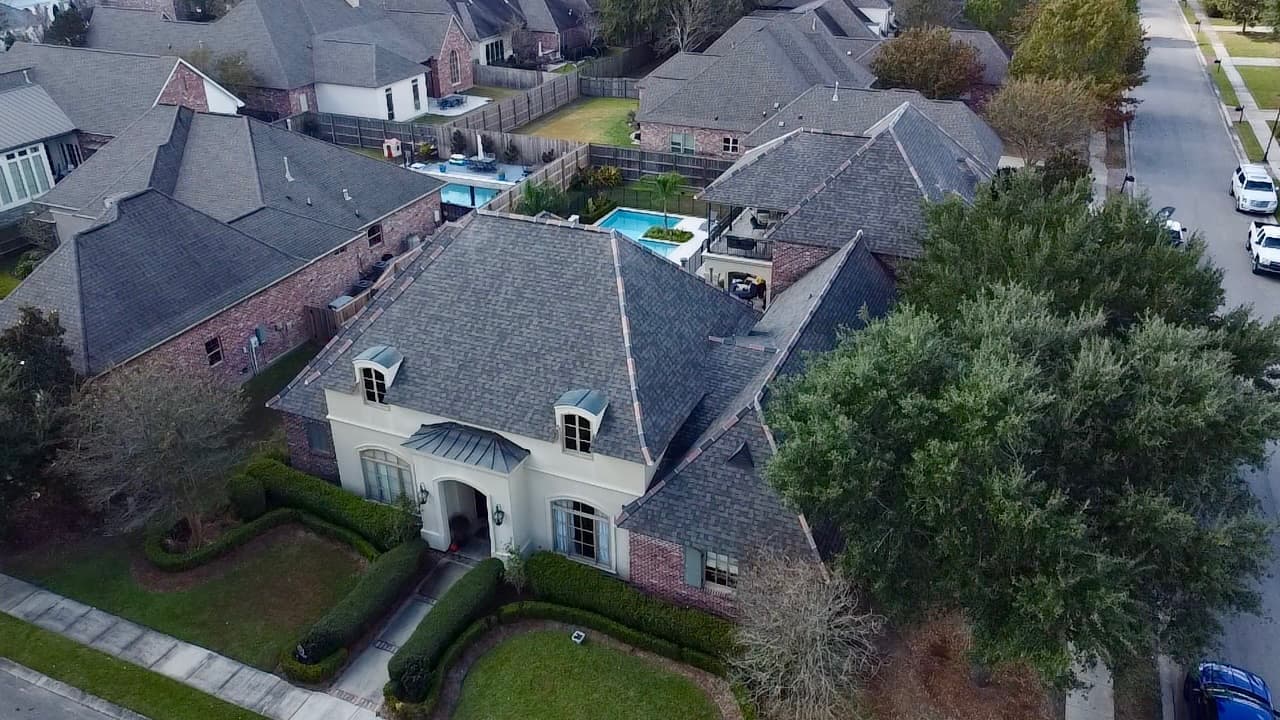
Storm Damage Checklist: What Louisiana Homeowners Should Do After a Hurricane
When a hurricane or major storm hits South Louisiana, the aftermath can be chaotic and stressful. Between checking on family, dealing with power outages, and assessing property damage, it's hard to know what to do first. This checklist gives Louisiana homeowners a clear, step-by-step action plan for protecting your home and maximizing your insurance recovery.
Immediate Safety (First 24 Hours)
1. Ensure Personal Safety First
Before inspecting any property damage, make sure you and your family are safe. Watch for downed power lines, standing water (which may be electrically charged), and structural instability. If your home sustained significant structural damage, don't enter until it's been cleared.
2. Document Damage Before Cleaning Up
This is critical: before you move debris or begin any cleanup, document everything with photos and video. Walk the entire perimeter of your home and photograph damage to the roof, siding, windows, fencing, landscaping, and any outbuildings. Include wide shots showing the full scope and close-ups of specific damage.
Important: Document the date and time of your photos. Many smartphone cameras do this automatically. This timestamp establishes that the damage occurred during the storm event — information your insurance company will want.
3. Prevent Further Damage
Your insurance policy likely requires you to take reasonable steps to prevent further damage. This might include:
- Placing tarps over roof openings to prevent water intrusion
- Boarding up broken windows
- Moving undamaged belongings away from compromised areas
- Setting up dehumidifiers or fans in areas with water exposure
Keep receipts for any materials you purchase for temporary repairs — these are typically reimbursable under your insurance policy.
Insurance Claim Process (Days 1-7)
4. File Your Insurance Claim Promptly
Contact your insurance company within 48 hours. Louisiana law gives insurers 30 days to acknowledge a claim and 30 additional days to approve or deny it, but the sooner you file, the sooner the process begins. When you call:
- Have your policy number ready
- Describe the damage generally (don't guess at costs)
- Ask about your deductible and coverage details
- Request a claim number and the name of your assigned adjuster
- Ask about temporary housing coverage if needed
5. Schedule a Professional Roof Inspection
Don't wait for the insurance adjuster to tell you what's wrong with your roof. Have a professional roofing inspection done independently. A certified contractor can identify damage that adjusters sometimes miss — especially when it comes to underlying structural issues that aren't visible from a quick exterior check.
At Advanced Exteriors, our free 27-point inspection includes drone footage and a comprehensive photo report. This documentation strengthens your insurance claim and ensures nothing is overlooked.
6. Meet With the Insurance Adjuster
When the adjuster visits, be present — and ideally have your roofing contractor there too. Point out all damage you've documented and let your contractor address any technical questions. Adjusters handle dozens of claims simultaneously after a major storm, and having a professional advocate ensures your damage is fully documented.
Repair & Restoration (Weeks 2-8)
7. Get Estimates From Reputable Contractors
Choose a local, established roofing company — not a storm chaser. Look for:
- A local business address (not just a phone number)
- Verified Google reviews (100+ is a strong signal)
- Manufacturer certifications (like Owens Corning)
- Proper licensing and insurance
- Willingness to provide references
Be wary of anyone who asks for large upfront deposits, pressures you to sign immediately, or offers to “cover your deductible” — that last one is actually insurance fraud.
8. Review Your Settlement Offer
Compare the insurance settlement against your contractor's estimate. If there's a significant gap, work with your contractor to file a supplemental claim. This is normal and happens frequently — initial estimates often undervalue the actual scope of work needed.
9. Schedule and Complete Repairs
Once the insurance claim is settled, schedule your roof restoration. A reputable contractor will work with you on timing and keep you informed throughout the project. Make sure your contract includes warranty information, material specifications, and a clear scope of work.
Protecting Yourself Going Forward
10. Keep All Documentation
Maintain a complete file of everything related to the storm and your claim: photos, inspection reports, adjuster correspondence, estimates, invoices, receipts, and warranty documents. This protects you if issues arise later and provides documentation for future insurance claims.
11. Consider Annual Roof Inspections
The best defense against storm damage surprises is a proactive maintenance approach. Annual roof inspections catch small problems before they become major vulnerabilities during the next storm.
Need Help After Storm Damage?
Advanced Exteriors has helped hundreds of Louisiana homeowners recover from storm damage. We handle the entire process — from emergency inspection to insurance claim management to final restoration. Call us at (225) 202-6776 or request your free inspection online.
Need a Professional Roof Assessment?
Schedule your free 27-point roof inspection with Advanced Exteriors. No obligation • Free inspection • Licensed & Insured