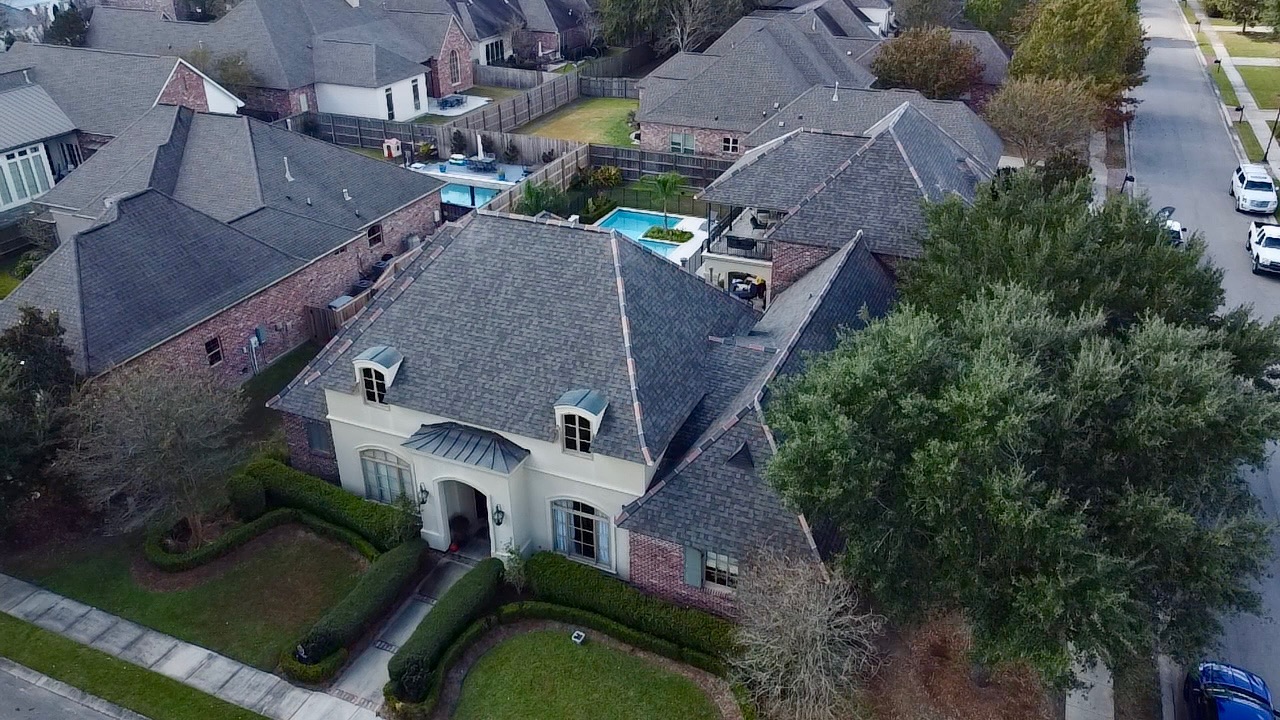
Storm Season Roofing Prep: What Prairieville, LA Homeowners Need to Do Now
Prairieville homeowners know the drill. Every spring, the Gulf starts warming up, the tropics get active, and the question shifts from "will we get a storm?" to "is my roof ready for one?" Roofing in Prairieville, LA is not just a home improvement conversation. It is a seasonal safety conversation, and the window to prepare closes fast.
Why Prairieville Roofs Take a Beating Every Hurricane Season
Ascension Parish sits in a geographic position that makes it vulnerable to multiple storm hazards at once. High sustained winds, heavy rain, and debris impact can all hit during a single system. But the cumulative damage from year after year of tropical weather is what really shortens a roof's lifespan here.
Louisiana's heat and humidity break down roofing materials faster than in most other states. UV exposure causes shingles to dry out and crack. Thermal cycling, where temperatures swing from cool mornings to brutal afternoon heat, loosens fasteners and stresses the underlayment beneath your shingles. Add in the moisture that tropical systems push through every gap they find, and you have a recipe for premature failure.
Standard asphalt shingles rated for 25 years in a dry northern climate may not hold up that long in Prairieville. The environment here demands materials and installation methods that account for actual conditions. That is why homeowners who take storm season seriously tend to stay ahead of major repairs, while those who wait often end up dealing with interior water damage that multiplies the cost.
Pre-Storm Roofing Checklist: What to Inspect Before June 1
June 1 is the official start of Atlantic hurricane season, but storms have formed before that date. Setting a hard deadline of Memorial Day weekend for a basic roof inspection gives you time to schedule repairs before contractors get backed up with post-storm work.
Here is what to check before June 1:
Shingle condition. Look for curling edges, missing granules, cracked tabs, or shingles that have lifted at the corners. Any of these signals that water is finding a way in or will soon.
Roof valleys. The angled channels where two roof slopes meet are high-traffic zones for water. Check that the valley flashing is intact and that shingles have not separated or shifted along those seams.
Attic inspection. Go into your attic on a sunny day and look for any light coming through the decking. Dark staining or soft wood are signs of existing water intrusion that need to be addressed before the next rain event.
Soffit and fascia. Damaged soffit boards allow wind-driven rain to enter the attic from the perimeter. Check for rot, cracks, or areas that have separated from the structure.
Gutters and downspouts. Gutters that are clogged, sagging, or pulling away from the fascia can back water up under your shingles during a heavy rain event.
Running through this checklist once a year, in April or May at the latest, is the most practical thing a Prairieville homeowner can do for their roof.
How to Reinforce Vulnerable Areas Like Flashing, Vents, and Gutters
The spots most likely to fail during a storm are not always the ones with visible damage. Flashing, pipe boots, and vent covers are small components that play a large role in keeping water out, and they are easy to overlook during a casual visual scan from the ground.
Flashing is the metal strip installed at every roof penetration and transition point: around chimneys, skylights, dormers, and where the roof meets a vertical wall. Over time, flashing can lift, rust, or crack at the sealant joints. A tube of roofing caulk is not a long-term fix. If the flashing is compromised, it needs to be re-secured or replaced before storm season.
Pipe boots are the rubber collars that seal around plumbing vent pipes. The rubber degrades under Louisiana's heat and UV exposure, often cracking within 10 to 15 years. A cracked pipe boot is one of the most common causes of active roof leaks in homes that otherwise look fine from the ground.
Ridge vents and soffit vents allow your attic to breathe, but they also represent openings that wind can exploit. Make sure ridge vent covers are properly fastened and that no sections have lifted or cracked.
Gutters need to be clear of debris and properly pitched so water flows toward downspouts. During a heavy tropical rain event, a clogged gutter can overflow and push water back under the drip edge, leading to fascia rot and eventually interior water damage.
What Wind and Hail Ratings to Look for in Roofing Materials
If you are replacing a roof before storm season, the product you choose matters as much as the installation. For roofing in Prairieville, LA, two ratings should drive your material selection: wind resistance and impact resistance.
Wind resistance is rated in miles per hour. Standard three-tab shingles are typically rated to 60 to 70 mph. Architectural or dimensional shingles often carry ratings of 110 to 130 mph. Premium impact-resistant shingles from manufacturers like Owens Corning or GAF can reach 130 mph or higher when installed correctly.
Louisiana building codes require wind-resistant construction in many parishes, but meeting the minimum code and choosing materials suited to real storm conditions are two different things. Ascension Parish homeowners are better served by products that exceed the minimums.
Impact resistance is rated using the UL 2218 standard, on a scale from Class 1 to Class 4. Class 4 is the highest rating and indicates the shingle can withstand a two-inch steel ball dropped from 20 feet without cracking. In areas that see hail, which does come through Louisiana periodically, a Class 4 shingle can also reduce your insurance premiums in some cases.
Ask your contractor to specify both ratings when quoting a replacement. A knowledgeable roofer will bring this up without being prompted.
When to Schedule a Pre-Season Roof Inspection with a Local Contractor
The busiest weeks for roofing contractors in Louisiana are immediately after a storm. Scheduling before June 1 means you get full attention, faster turnaround, and in many cases better pricing than the post-storm rush allows.
For storm season roofing in Prairieville, LA, booking an inspection in April or early May is the right move. That window gives your contractor time to complete any identified repairs before the tropics become active, and it gives you time to review insurance implications before you ever need to file a claim.
A professional inspection covers what a homeowner walkthrough does not: a close-up assessment of flashings and penetrations, a check of the nailing pattern under lifted shingles, and a full attic evaluation for moisture, ventilation issues, and decking integrity. These are details that matter and that are nearly impossible to evaluate from the ground.
Local contractors also bring context that matters for roofing in Prairieville, LA. They know the typical failure points for homes in this area, the product lines that hold up best in the Louisiana climate, and the code requirements specific to Ascension Parish. That local knowledge makes a real difference when you are making decisions about your home before a major storm season.
Frequently Asked Questions
How often should a Prairieville homeowner have their roof inspected? Once a year is a reasonable standard for most homes. Roofs older than 15 years, or any roof that has come through a named storm, should be inspected more frequently. A spring inspection before hurricane season is the most practical timing for homeowners in this area.
What is the typical lifespan of a roof in Louisiana? Asphalt shingles in Louisiana tend to last 15 to 20 years, compared to 25 to 30 years in cooler, drier climates. Heat, UV exposure, and humidity all accelerate wear. Metal roofing lasts considerably longer and is worth considering for replacement projects in storm-prone areas like Prairieville.
Does homeowner's insurance cover storm damage to a roof? Most standard homeowner policies cover wind and hail damage, but coverage depends on your policy terms, your deductible, and the age and condition of your roof at the time of damage. Document your roof's condition with photos before storm season so you have a clear baseline if a claim becomes necessary.
What are the signs that a roof is failing before it leaks inside? Granule loss visible in gutters or at downspout outlets, curling or cupped shingles, visible daylight in the attic, and soft spots in the decking are all warning signs that precede interior leaks. Catching these early is almost always less expensive than addressing water damage after the fact.
Is it worth replacing a roof before storm season if it is already 18 years old? In most cases, yes. An aging roof heading into hurricane season carries real risk, and replacing it proactively is often less expensive than the combined cost of emergency repairs, temporary fixes, and interior damage from a compromised roof during a storm. A contractor can give you an honest assessment of whether repair or full replacement makes more sense for your specific situation.
---
Ready to get your roof evaluated before the season turns? Advanced Exteriors, LLC serves Prairieville and the surrounding Ascension Parish area with inspections, repairs, and full replacements built for Louisiana's climate. Schedule your pre-season roof inspection at advancedexteriorsla.com/contact before the calendar fills up.
Need a Professional Roof Assessment?
Schedule your free 27-point roof inspection with Advanced Exteriors. No obligation • Free inspection • Licensed & Insured